
Understanding the Importance of Geological Expertise
Certified geologists play a critical role in modern environmental management projects, where scientific accuracy and regulatory compliance are essential. Their expertise in earth sciences allows them to analyze soil, rock formations, groundwater systems, and environmental conditions with precision. As industries expand and environmental concerns become more complex, the need for qualified geologists has grown significantly. They serve as the foundation for informed decision-making in projects that involve land development, contamination assessment, and environmental remediation.
Assessing Environmental Conditions and Risks
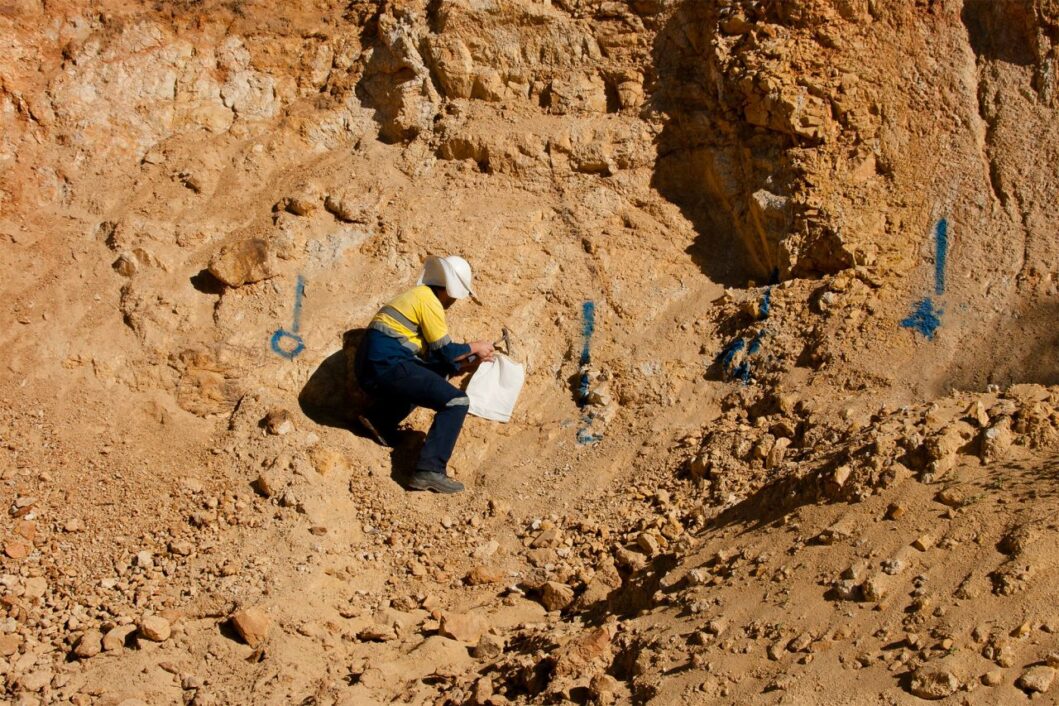
One of the primary responsibilities of certified geologists is conducting detailed site assessments. These evaluations help identify potential environmental risks such as soil contamination, groundwater pollution, and geological instability. By collecting and analyzing field data, geologists provide critical insights into the condition of a site before development or remediation begins. This information is essential for designing safe and effective project plans that minimize environmental impact and ensure long-term sustainability.
Groundwater Monitoring and Resource Protection
Groundwater systems are a key focus in environmental management, and certified geologists play a vital role in their monitoring and protection. They oversee the installation of monitoring wells, collect water samples, and analyze data to detect changes in groundwater quality. This process helps identify contamination sources and track the movement of pollutants beneath the surface. Their work is essential for protecting drinking water supplies, preserving ecosystems, and ensuring compliance with environmental regulations.
Supporting Environmental Remediation Projects
Certified geologists are also heavily involved in environmental remediation efforts, where contaminated sites are cleaned and restored. They develop technical strategies for soil excavation, contaminant removal, and site rehabilitation. Their expertise ensures that remediation plans are both scientifically sound and compliant with regulatory standards. By guiding these projects, geologists help restore damaged environments and make land safe for future use.
Ensuring Regulatory Compliance and Safety
Environmental projects are subject to strict regulatory frameworks, and certified geologists play a key role in ensuring compliance. They prepare detailed reports, conduct inspections, and provide technical documentation required by regulatory agencies. Their work helps organizations meet legal obligations while maintaining high safety standards for workers and surrounding communities.
Conclusion: Bridging Science and Environmental Responsibility
Certified geologists are essential contributors to modern environmental management projects. Their scientific expertise, combined with practical field experience, allows them to assess risks, monitor resources, and guide remediation efforts effectively. By bridging the gap between science and environmental responsibility, they help ensure that development projects are conducted safely, sustainably, and in compliance with regulatory standards.
About the Author
