

Environmental health and safety (EHS) challenges in modern industries are increasingly complex due to stricter regulations, diverse operational risks, and heightened expectations for sustainability. Organizations involved in construction, manufacturing, infrastructure, and environmental remediation must manage hazards that affect workers, communities, and ecosystems. Implementing best practices in EHS management is essential for reducing risk, ensuring compliance, and maintaining operational continuity. Conducting … Read More
How Regulatory Compliance Shapes Successful Environmental Management Strategies

Regulatory compliance is a foundational element of effective environmental management. In today’s highly regulated landscape, organizations involved in construction, industrial operations, and infrastructure development must adhere to a wide range of environmental laws designed to protect public health, natural resources, and ecological systems. Far from being a procedural obligation, compliance actively shapes how environmental strategies are developed, implemented, and sustained. … Read More
The Role of Certified Geologists in Modern Environmental Management Projects
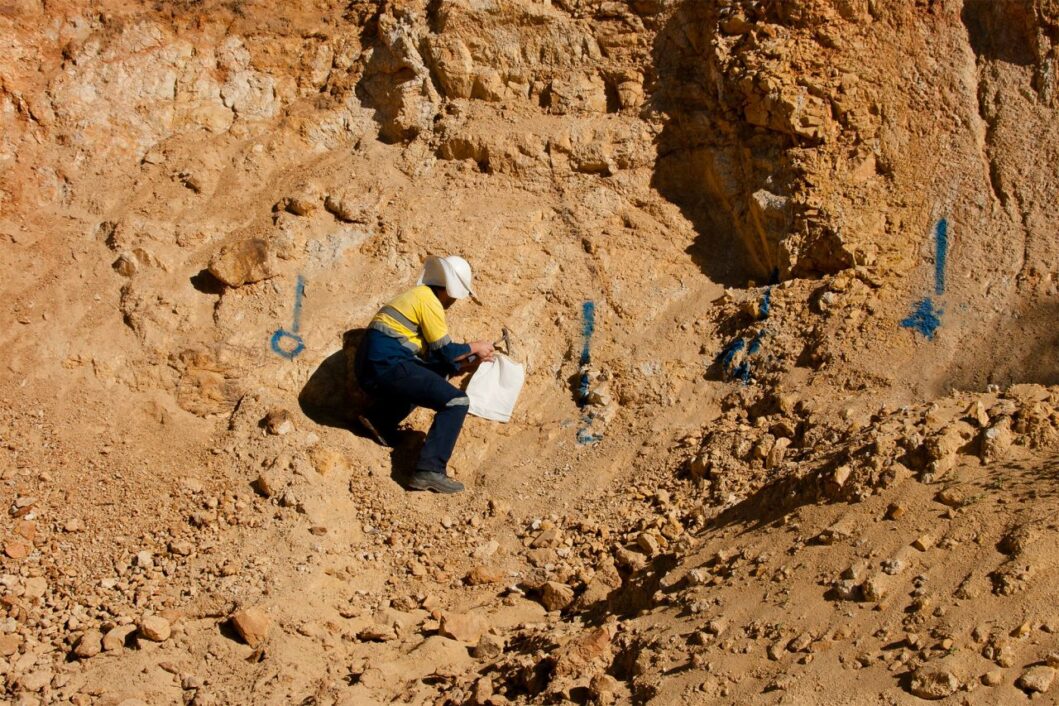
Understanding the Importance of Geological Expertise Certified geologists play a critical role in modern environmental management projects, where scientific accuracy and regulatory compliance are essential. Their expertise in earth sciences allows them to analyze soil, rock formations, groundwater systems, and environmental conditions with precision. As industries expand and environmental concerns become more complex, the need for qualified geologists has grown … Read More
Health, Safety, and Compliance in Large-Scale Environmental Field Operations

The Critical Importance of Field Safety in Environmental Work Large-scale environmental field operations often take place in challenging and unpredictable conditions, including contaminated sites, industrial zones, and remote outdoor locations. These environments present a wide range of risks, from exposure to hazardous substances to heavy equipment accidents. As a result, health and safety are not just operational priorities—they are essential … Read More
Balancing Safety, Compliance, and Efficiency in Environmental Management

The Importance of Environmental Management Environmental management is a critical aspect of modern industrial, commercial, and construction operations. It involves overseeing projects that address contamination, waste management, groundwater monitoring, and remediation efforts. Effective environmental management ensures that operations minimize risks to human health, ecosystems, and surrounding communities. Balancing safety, regulatory compliance, and operational efficiency is essential for organizations to achieve … Read More
How Groundwater Monitoring Protects Communities and Supports Sustainable Development
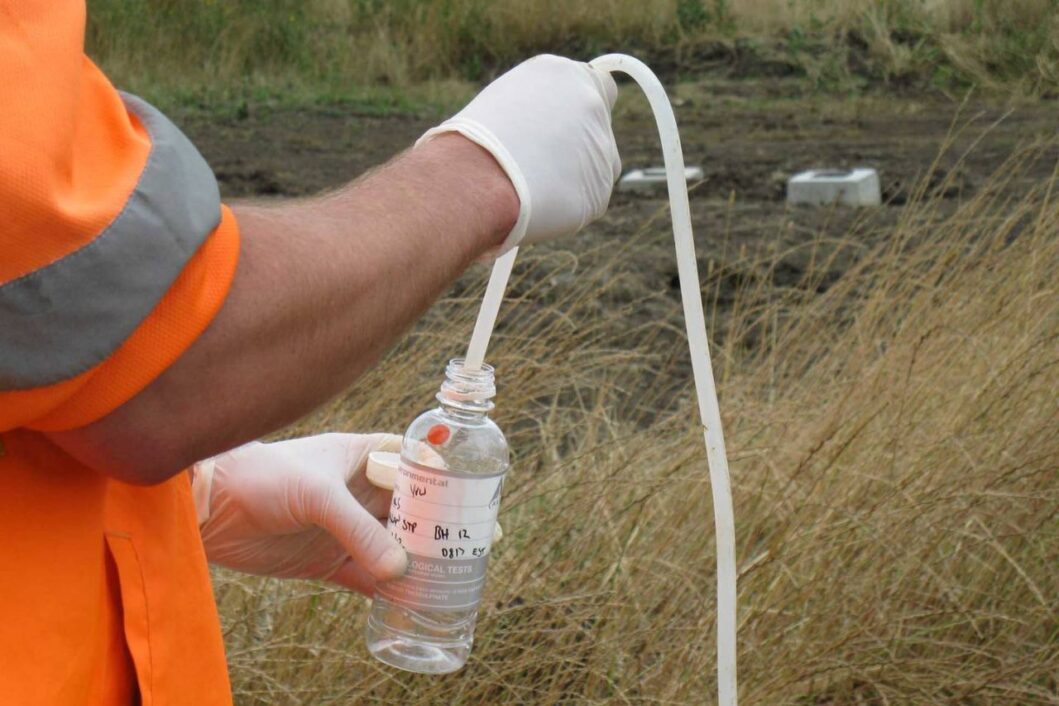
Understanding the Importance of Groundwater Groundwater is a critical resource that supplies drinking water, supports agriculture, and sustains industrial operations. Contamination or depletion of this resource can have serious consequences for public health, food security, and environmental stability. Protecting groundwater is therefore essential not only for immediate human needs but also for long-term sustainable development. Regular monitoring ensures that this … Read More
Balancing Technical Excellence and Business Growth in Environmental Services
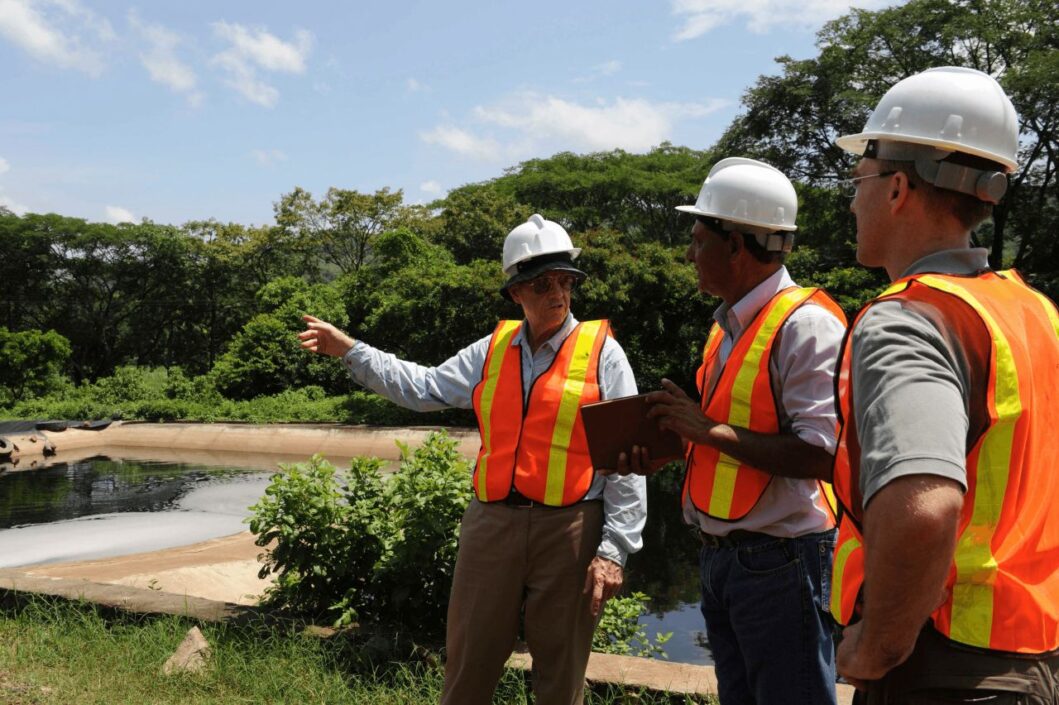
The environmental services industry is driven by two equally important forces: scientific precision and sustainable business performance. Companies must deliver technically sound solutions while also remaining competitive, profitable, and adaptable in a rapidly changing market. Achieving this balance requires a strategic mindset that values innovation, accountability, and long-term vision. Technical Excellence as the Industry Foundation Technical expertise is the backbone … Read More
Engineering the Future of Environmental Remediation: How Science and Strategy Protect Communities
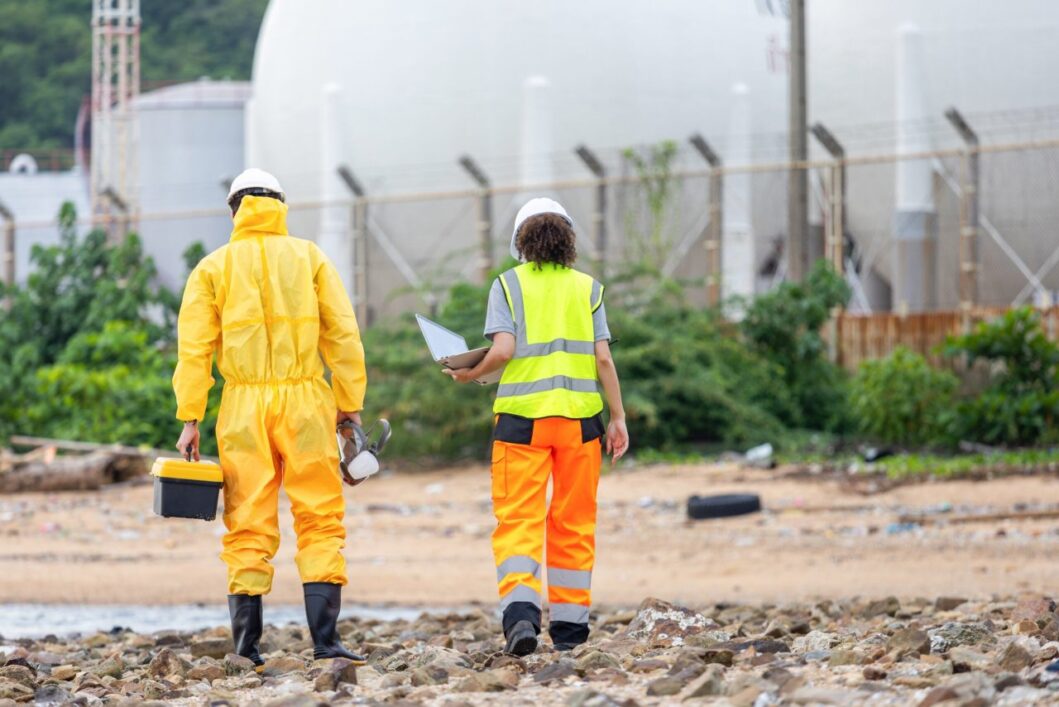
Environmental remediation has become one of the most critical disciplines in safeguarding public health and ecological balance. As industrial activity, urban expansion, and aging infrastructure continue to impact natural resources, the role of science-driven engineering and strategic planning has never been more important. Modern environmental remediation is no longer reactive—it is a forward-looking discipline designed to prevent harm, restore ecosystems, … Read More
From Crisis Response to Compliance: Managing Large-Scale Environmental Cleanup Efforts
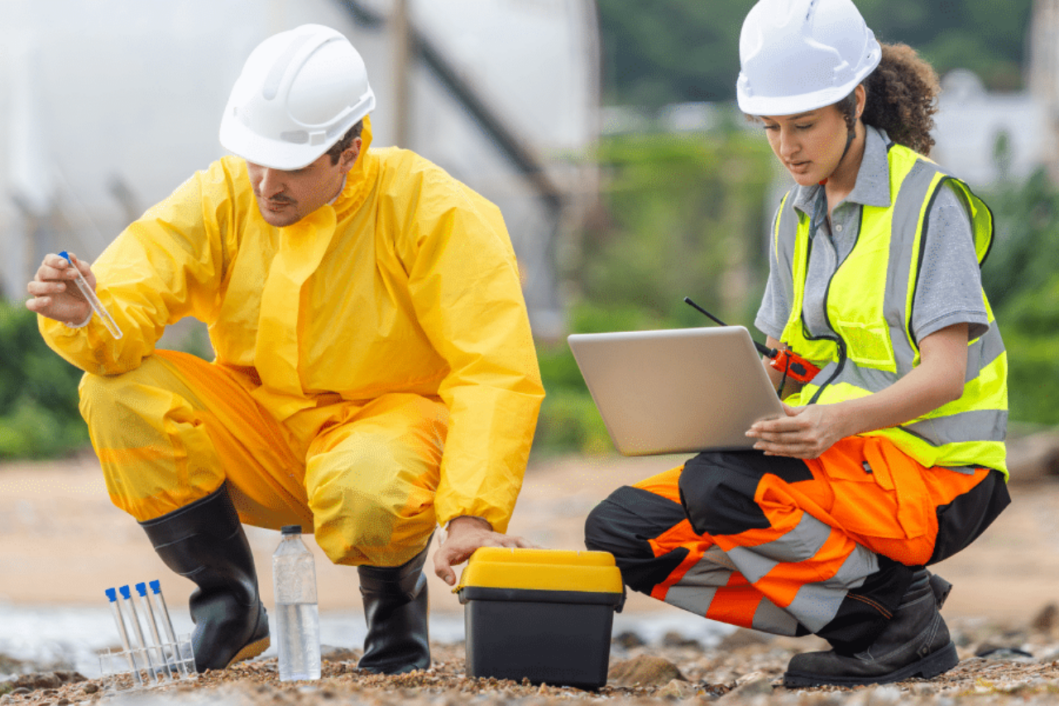
Large-scale environmental cleanup efforts often begin under crisis conditions—industrial accidents, natural disasters, or sudden discoveries of contamination. Successfully managing these projects requires a structured transition from emergency response to long-term regulatory compliance, ensuring public safety while restoring environmental integrity. Immediate Crisis Response and Risk Containment The first phase of any large-scale cleanup focuses on rapid response and containment. Immediate priorities … Read More
Integrating Technical Expertise and Executive Leadership in Environmental Management

Environmental management is a complex field that demands both deep technical knowledge and strong executive leadership. As regulatory requirements grow more stringent and environmental challenges become more sophisticated, organizations must bridge the gap between scientific expertise and strategic decision-making to achieve sustainable success. The Importance of Technical Expertise Technical expertise forms the backbone of effective environmental management. Professionals with backgrounds … Read More