
Understanding the Importance of Groundwater
Groundwater is a critical resource that supplies drinking water, supports agriculture, and sustains industrial operations. Contamination or depletion of this resource can have serious consequences for public health, food security, and environmental stability. Protecting groundwater is therefore essential not only for immediate human needs but also for long-term sustainable development. Regular monitoring ensures that this vital resource remains safe, reliable, and resilient in the face of environmental and industrial pressures.
Detecting Contamination Early
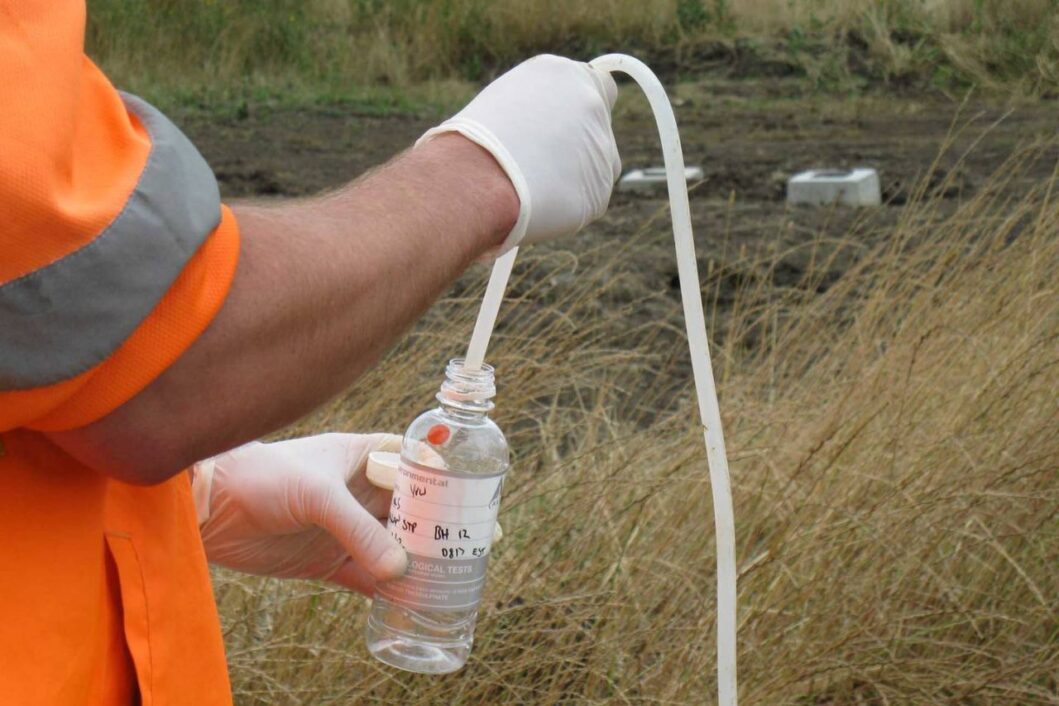
One of the primary benefits of groundwater monitoring is the early detection of contaminants. Monitoring programs involve sampling and analyzing groundwater for pollutants such as heavy metals, volatile organic compounds (VOCs), pesticides, and industrial chemicals. By identifying contamination at an early stage, communities and businesses can take corrective actions before pollutants spread or reach critical levels. Early detection protects public health, reduces cleanup costs, and minimizes the ecological impact of contamination.
Supporting Regulatory Compliance
Groundwater monitoring is also essential for ensuring compliance with local, state, and federal environmental regulations. Governments require industries, construction projects, and remediation efforts to maintain monitoring programs that track water quality and detect potential hazards. Compliance with these regulations helps prevent legal liabilities, protects public resources, and reinforces trust between businesses, regulators, and the community. Monitoring data also provides a scientific basis for decision-making, enabling authorities to implement effective policies and safeguard environmental quality.
Guiding Sustainable Development Practices
Sustainable development relies on the responsible use and management of natural resources, including groundwater. Monitoring programs provide critical data for planning urban development, industrial operations, and agricultural activities without compromising water quality. Developers and policymakers can use this information to design projects that minimize environmental impact, prevent over-extraction, and preserve ecosystems. By integrating groundwater monitoring into planning processes, communities ensure that growth is both environmentally responsible and economically viable.
Enhancing Community Safety and Awareness
Beyond regulation and planning, groundwater monitoring strengthens community safety and awareness. Public access to monitoring results increases transparency and trust, allowing residents to make informed decisions about water use. Educational initiatives tied to monitoring programs can also raise awareness about conservation practices, pollution prevention, and sustainable water management.
Conclusion
Groundwater monitoring is a vital tool for protecting public health, maintaining environmental integrity, and supporting sustainable development. By detecting contamination early, ensuring regulatory compliance, guiding sustainable land use, and promoting community awareness, monitoring programs help safeguard this essential resource for current and future generations. Through careful observation and responsible management, communities can balance development needs with environmental stewardship, ensuring long-term access to safe, clean groundwater.
About the Author
