
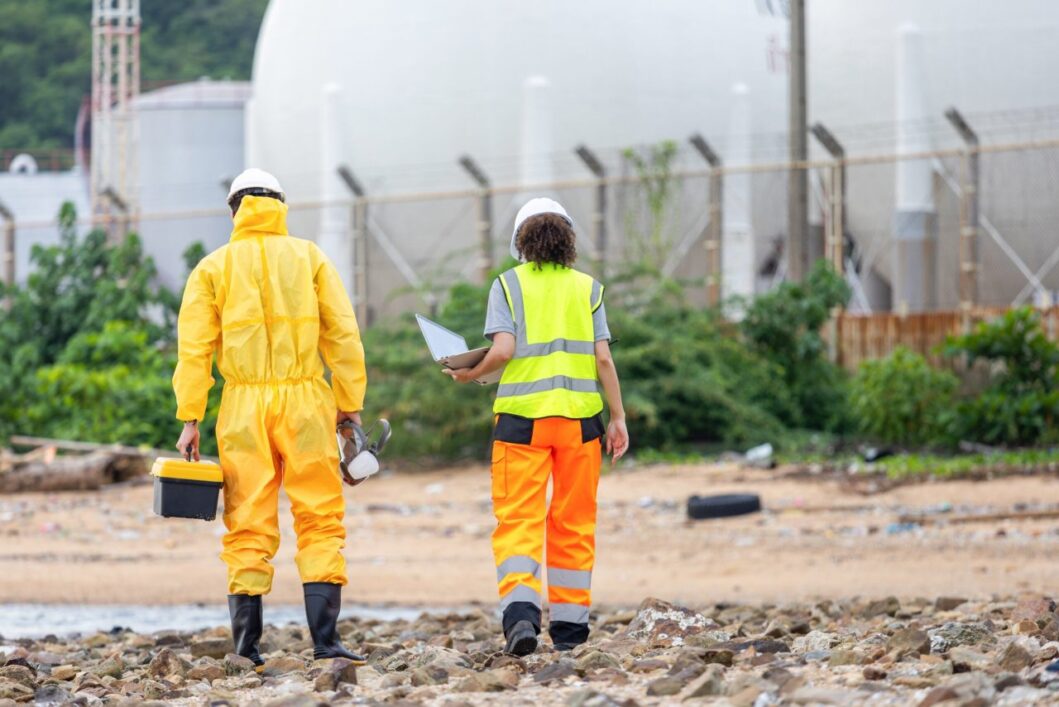
Environmental remediation has become one of the most critical disciplines in safeguarding public health and ecological balance. As industrial activity, urban expansion, and aging infrastructure continue to impact natural resources, the role of science-driven engineering and strategic planning has never been more important. Modern environmental remediation is no longer reactive—it is a forward-looking discipline designed to prevent harm, restore ecosystems, and protect communities for generations to come.
The Science Behind Effective Remediation
At the core of environmental remediation lies rigorous scientific analysis. Engineers and environmental specialists rely on geology, hydrology, chemistry, and data modeling to understand how contaminants move through soil, air, and groundwater. Advanced groundwater modeling, sampling techniques, and risk assessments allow professionals to identify contamination sources and predict their long-term impact. This scientific foundation ensures that remediation solutions are not only effective but also tailored to the unique conditions of each site.
Engineering Solutions That Restore and Protect
Engineering transforms scientific findings into practical solutions. Modern remediation projects employ technologies such as air stripping systems, soil vapor extraction, bioremediation, and groundwater treatment systems to remove or neutralize harmful substances. These engineered systems are designed to operate efficiently while minimizing disruption to surrounding communities. Proper system design and implementation can significantly reduce exposure risks and accelerate environmental recovery, particularly in densely populated or industrial areas.
Strategic Planning and Regulatory Compliance
Successful remediation extends beyond technical execution. Strategic planning plays a vital role in aligning remediation efforts with regulatory requirements, project timelines, and financial constraints. Environmental engineers work closely with regulators, legal teams, and stakeholders to ensure compliance with local, state, and federal standards. A well-defined remediation strategy balances environmental responsibility with economic feasibility, allowing projects to move forward without unnecessary delays or cost overruns.
Protecting Public Health and Community Trust
Environmental remediation directly impacts public health. Clean air, safe drinking water, and uncontaminated soil are essential to community well-being. Transparent communication and proactive safety measures help build trust between remediation teams and the communities they serve. By addressing environmental hazards before they escalate, engineers help prevent long-term health risks and contribute to safer living and working environments.
The Future of Environmental Remediation
The future of environmental remediation lies in innovation and integration. Emerging technologies, data-driven decision-making, and sustainable engineering practices are shaping more resilient and adaptive solutions. As environmental challenges grow in complexity, the combination of scientific expertise and strategic leadership will remain essential in protecting communities and restoring the environments they depend on.
About the Author
